




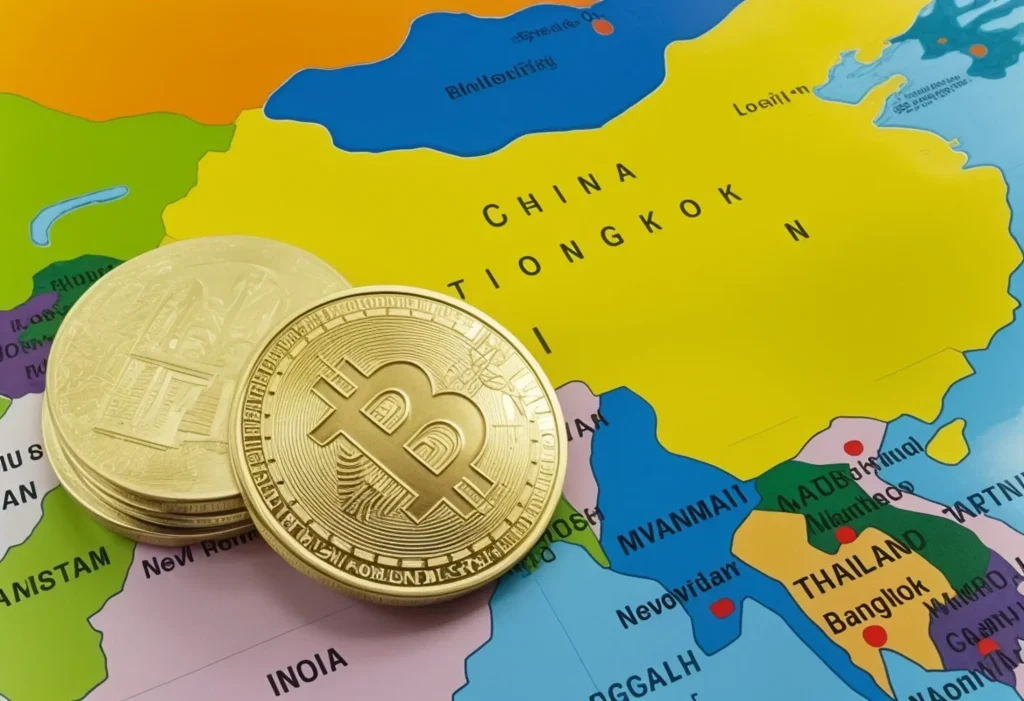
As Thailand adapts its crypto regulations, the ramifications will be felt globally. These changes will transform the landscape for digital and traditional finance, making it crucial for investors and regulators to stay informed. Understanding Thailand crypto regulations is vital for future market dynamics.
Shaping Thailand’s Role in Global Financial Markets
Thailand has set its sights on becoming a crypto leader in Southeast Asia. This ambition is driven by a comprehensive regulatory framework aimed at attracting investment and innovation in financial technologies. The Thai government is proposing amendments to existing laws to incorporate digital assets into derivatives markets, which signals a significant regulatory shift. The recent approval to allow digital assets as underlying assets in derivatives and capital markets marks a pivotal moment for the region, positioning Thailand as an attractive destination for international investors (Morocco World News).
This proactive approach not only elevates Thailand’s stance in the global economy but also influences its surrounding neighbors to rethink their own regulatory frameworks. As Thailand’s financial ecosystem evolves, the implications for regional economic stability and cross-border investment will likely be profound. Countries that lag in crypto regulation may find themselves at a competitive disadvantage as traders and capital flock to more progressive economies.
Impacts of Crypto Derivatives on Market Evolution
Crypto derivatives are financial contracts whose value is derived from underlying digital assets. They serve a critical role in modern finance, especially by enhancing liquidity and price discovery in markets. In the case of Thailand’s financial markets, the introduction of crypto derivatives could lead to improved market dynamics, as it allows for more strategic trading options for investors.
Derivatives enable participants to hedge against volatility while simultaneously engaging with crypto assets like Bitcoin. This could be a game-changer for Thai investors, who have already shown a strong appetite for digital currencies. With trading volumes reaching $65 million daily on platforms like Bitkub, the potential for derivatives will likely only increase (Morocco World News). By creating more refined tools for financial engagement, crypto derivatives will contribute to a more robust and agile market framework.
Regulatory Changes and Their Significance
The Thai government’s imminent amendments to the Derivatives Act are pivotal. These changes will expand the asset classes available for trading, allowing for the inclusion of cryptocurrencies and even carbon credits. This regulatory adjustment shows a clear intention to integrate digital markets with traditional finance, signaling a move toward modernization that could resonate internationally (CoinTelegraph).
The Securities and Exchange Commission (SEC) will play a critical role in implementing these reforms, as their regulatory oversight is crucial for ensuring market integrity while fostering growth. As institutions globally begin to eye these changes, there may be ripple effects felt across other markets—potentially leading to a seismic shift in how crypto trading is conducted on the global stage.
Perspectives from Key Players in Thailand’s Crypto Scene
Industry leaders are taking note of Thailand’s regulatory advancements, with voices from prominent firms like Binance Thailand and Bitkub expressing optimism about the future. Experts are advocating for proper infrastructure and educational resources to prepare for incoming regulations. For instance, Nirun Fuwattananukul from Binance Thailand emphasizes the need for clear guidelines to ensure that both investors and institutions can navigate the evolving landscape confidently.
In addition, local experts are discussing the long-term implications of these regulations. Marketing strategies and retail adoption are anticipated to thrive, given that retail trading remains immensely popular in Thailand. The sentiment suggests that as regulations stabilize, larger entities are expected to enter the fray, significantly increasing liquidity and professional engagement (Morocco World News).

Analyzing the Global Economy’s Response
Globally, other countries are closely watching Thailand’s regulatory evolution. The proactive stance taken by Thailand may spur competitors to accelerate their own regulatory frameworks for digital assets. This is crucial because the global market is interconnected; delays in adapting could result in diminished competitiveness for those lagging behind.
Additionally, there is a potential for conflict between various international financial standards and how Thailand positions its regulations. Observers might predict a re-thinking of international treaties and agreements as countries reassess their positions in the rapidly growing digital asset economy. Overall, these developments indicate that Thailand could lead a fundamental shift in global market dynamics, challenging established financial powers to reconsider their frameworks.
Actionable Steps for Investors and Stakeholders
To capitalize on Thailand’s evolving crypto market, investors and stakeholders should remain vigilant and proactive. Staying updated on new regulations is crucial for navigating this fluid environment. Additionally, investors may want to engage in community discussions and educational programs to better understand the implications of these regulatory changes. Formulating strategies for leveraging upcoming market opportunities could prove essential in the ever-competitive crypto landscape.
In conclusion, Thailand’s approach to crypto regulations has the potential not only to reshape its own financial markets but also to catalyze global financial trends. Stakeholders should watch carefully as these changes unfold, considering how they may adapt to increasingly complex and interconnected financial environments. Ultimately, Thailand may not just be leading the charge in Southeast Asia but could redefine the global financial landscape for centuries to come.
About The Author



More Stories
Why Iran’s Sanctions Are Igniting a Crypto Revolution in 2023
Why Vietnam’s New Crypto Regulations Will Reshape the Market Dynamics
Why PayPal’s PYUSD Stablecoin Is About to Change Everything in Cross-Border Transactions