





As oil prices fluctuate, they create significant economic signals affecting the crypto market. Understanding how traders leverage oil trends can offer valuable insights into Bitcoin’s future, making it essential for investors to stay informed.
Impacts of Rising Oil Prices on Bitcoin and Oil Prices
Rising oil prices correlate strongly with Bitcoin valuations. When oil prices increase, they typically signal inflationary pressure. This shift often leads investors to view Bitcoin as a hedge against inflation. Historical data illustrates that significant spikes in oil prices have corresponded with surges in Bitcoin valuations, showcasing their interlinked nature. For instance, according to recent reports, Bitcoin’s market responses to oil price changes can outpace traditional assets, positioning it as a crucial player in inflationary times.
Moreover, increased oil prices can adversely impact investor sentiment within the crypto market. As these prices climb, inflation expectations rise, causing uncertainty and prompting investors to reassess their portfolios. This dynamic is evident in recent data, which suggests that many traders are shifting towards cryptocurrencies to manage their exposure to inflation, effectively using Bitcoin as a diversifying asset.
Economic Signals Shaping the Crypto Market
Current economic indicators reveal a complex relationship between oil pricing trends and Bitcoin’s behavior. The ongoing fluctuations in oil costs affect not just the energy market, but also global supply chains, which could translate to broader economic implications. Geopolitical factors, such as conflicts in oil-producing regions, significantly impact oil prices and subsequently influence the crypto landscape.
For example, disruptions in major oil supply routes create ripples across global markets, causing uncertainty that can push Bitcoin prices upwards. A tense geopolitical atmosphere can multiply the effects of rising oil prices on Bitcoin’s market behavior. As industry experts note, the psychological impact of these events can lead traders to flee to alternative assets, including cryptocurrencies like Bitcoin.
Current State of Oil Pricing Trends
Recent developments reveal that Brent crude has been trading in the low $80s, while West Texas Intermediate (WTI) hovers around the mid $70s. These prices come amid ongoing geopolitical tensions that threaten oil supply chains. Such volatility does not just affect traditional energy markets; it has direct implications for Bitcoin. Higher oil prices often coincide with market stress, pushing Bitcoin prices in unpredictable directions.
The relationship between oil market fluctuations and Bitcoin price movements is increasingly recognized. Traders monitoring Brent and WTI pricing trends can gain insights into potential Bitcoin price shifts, leveraging the inherent volatility in both markets. As oil prices remain unstable due to geopolitical uncertainties, it’s crucial for investors to keep a close eye on these trends.
Geopolitical Risks and Bitcoin’s Market Behavior
Geopolitical risks, including supply disruptions, create significant psychological effects on investors. For instance, when tensions rise in oil-rich regions, markets often react swiftly. This was notably observed when conflicts disrupted oil supplies, prompting shifts in both oil and Bitcoin valuations. In previous crises, such as the Iranian sanctions, both oil prices and Bitcoin experienced notable volatility, evidencing their interconnectedness.
Investors typically respond to news of supply chain disruptions by reallocating their capital toward Bitcoin, viewing it as a protective measure. As crises unfold, the impact on oil markets can inadvertently push Bitcoin higher, as its decentralized nature becomes appealing during times of uncertainty.
Understanding Inflation Psychology Linked to Energy Costs
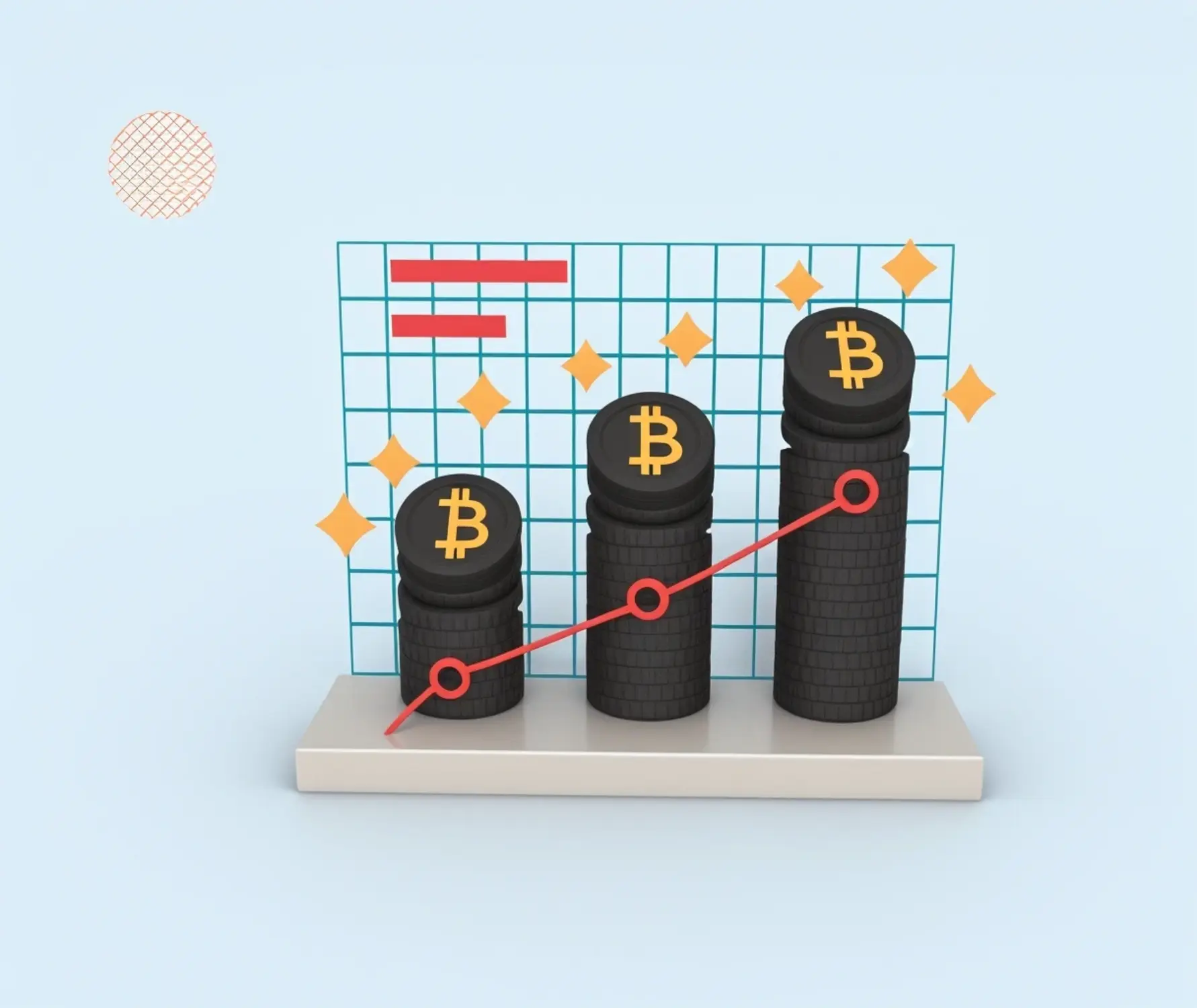
The rising energy costs directly influence consumer psychology. Increasing oil prices lead many consumers to perceive higher living costs, altering their economic expectations and behavior. This perception shapes demand for Bitcoin as individuals seek to hedge against inflation. During inflationary periods, cryptocurrencies have historically seen increased interest as alternative stores of value.
Inflation psychology, driven by energy costs, emphasizes how intertwined market sentiment is with oil prices. As consumers anticipate rising costs, many turn to Bitcoin in hopes of preserving their purchasing power. Strategies for inflation hedging increasingly incorporate cryptocurrencies, showcasing their evolving role in the financial landscape.
Actionable Steps for Traders and Investors
For traders and investors, monitoring oil prices is crucial for predicting Bitcoin movements. Here are some actionable strategies:
– Track Brent and WTI pricing to gauge potential market shifts.
– Utilize economic signals from oil-related news to inform Bitcoin trading strategies.
– Employ tools that analyze both oil market dynamics and crypto trends, ensuring a well-rounded approach.
– Diversify your portfolio by leveraging oil trends, balancing exposure across traditional and cryptocurrency assets.
By continuously analyzing current events and economic data concerning oil prices, traders can better position themselves for the fluctuations in Bitcoin’s market. Keeping a finger on the pulse of oil pricing trends not only aids in forecasting Bitcoin’s trajectory but also helps investors navigate the complexities of today’s economic landscape.
About The Author



More Stories
How Investors Are Using Bitcoin to Navigate Market Trends Today
Why Alternative Crypto Investments Are Changing the Game Amid Bitcoin’s Downturn
Why Altcoin’s Resurgence Is About to Change Everything in Crypto Markets