






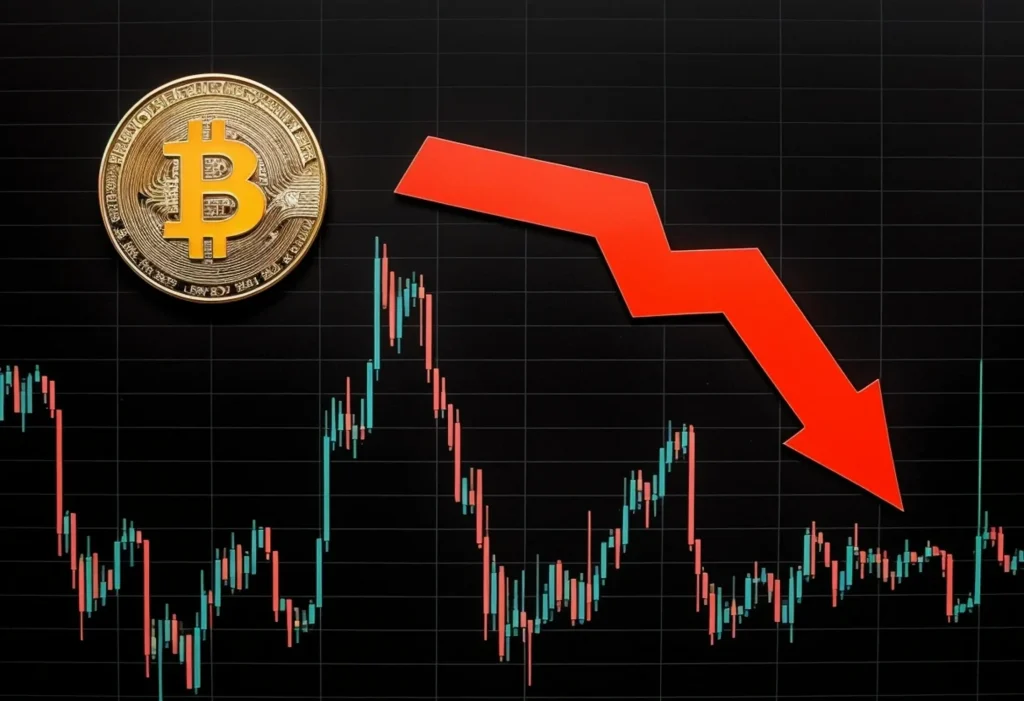
The recent Bitcoin price drop has sent ripples through the crypto market, emphasizing the interconnectedness of digital assets and stirring concerns among investors. Understanding these changes is crucial for anyone involved in the crypto economy right now.
Significance of the Bitcoin Price Drop
The significance of Bitcoin’s decline cannot be overstated. As the leading cryptocurrency, Bitcoin serves as a bellwether for the entire crypto market. When its price drops, investor sentiment tends to shift negatively, impacting not just Bitcoin traders but holders of altcoins as well. Studies indicate that a decline in Bitcoin often leads to broader market corrections, as seen since Bitcoin dipped below $69,000, which breached a crucial psychological support level according to recent reports.
Moreover, the psychological aspect plays a crucial role during such downturns. Fear and uncertainty can push even long-term investors to reconsider their positions. During significant market corrections, as history shows, many investors react impulsively in ways that exacerbate market volatility. Understanding the nuances of these emotional responses is vital for anyone looking to navigate the crypto landscape.
The Role of Bitcoin as a Market Leader
Bitcoin’s leadership in the market is paramount. It often sets trends that altcoins follow due to its sheer market capitalization and liquidity. When Bitcoin experiences a sharp decline, other cryptocurrencies like Ethereum and Solana frequently follow suit. This is not merely a coincidence; their movements often correlate with Bitcoin’s price trends, showcasing how Bitcoin dominates market perception. Subsequently, a BTC crash triggers a comprehensive reevaluation of the entire crypto sector’s health.
Current Trends in the Crypto Market
Following the Bitcoin price drop, the current state of the crypto market reveals significant shifts. Trading volumes have fluctuated dramatically, often correlated with Bitcoin’s volatility. Investors are assessed on how they’re adapting their behavior in these turbulent times. Volumes generally rise when prices drop, indicating a mixture of panic selling and opportunistic buying.
Investors looking for value might consider this a prime opportunity. Market corrections often create scenarios where assets are available at discounted prices. Those inclined to trade on fundamentals rather than emotions may find opportunities to enter positions at favorable valuations.
Insights into Trading Volumes and Investor Behavior
Recent data illustrates this behavior shift. The rising trading volumes can indicate heightened activity as traders respond to market corrections. However, it is essential to differentiate between fear-driven sell-offs and calculated buying strategies. Understanding these dynamics can significantly impact returns as the market seeks equilibrium after a profound drop.
Market Corrections and Their Implications
Market corrections, defined as a decline of at least 10% from the most recent peak, are a natural part of the financial landscape. These events occur across all asset classes, but their implications are magnified in the crypto sector due to high volatility. The cryptocurrency market has witnessed several notable BTC crashes, reminding participants of the inherent risks.
Historical precedents underscore that each BTC crash has led to a recalibration of investor expectations. Following a significant decline, markets often experience a period of consolidation, providing opportunities for new players to enter at favorable prices. Recognizing this cyclical nature can help investors remain composed during turbulent times.
The Cyclical Nature of Market Corrections
The cyclical pattern of market corrections allows investors and analysts to draw parallels between past events and current trends. These historical insights can offer guidance on future market behavior, such as how recovery trends might unfold. By examining prior corrections, investors can identify warning signs and potential recovery signals that could influence their trading strategies moving forward.
Analysis of Investor Responses to Bitcoin’s Decline
When Bitcoin declines, both short-term and long-term holders exhibit varied behaviors. A recent analysis found that during a significant capitulation event, short-term holders incurred substantial losses of about $1.14 billion in a single day. This dramatic sell-off highlights the precarious situation that often befalls market participants during downturns, as emotional responses tend to dominate strategic thought.
Long-term holders, too, felt the impact, with losses estimated at $225 million on that same day. This data underscores how a BTC price drop can challenge even those with a vested interest in the cryptocurrency’s future. Investors need to account for these dynamics when developing their strategies, as differing approaches can greatly influence market resilience.
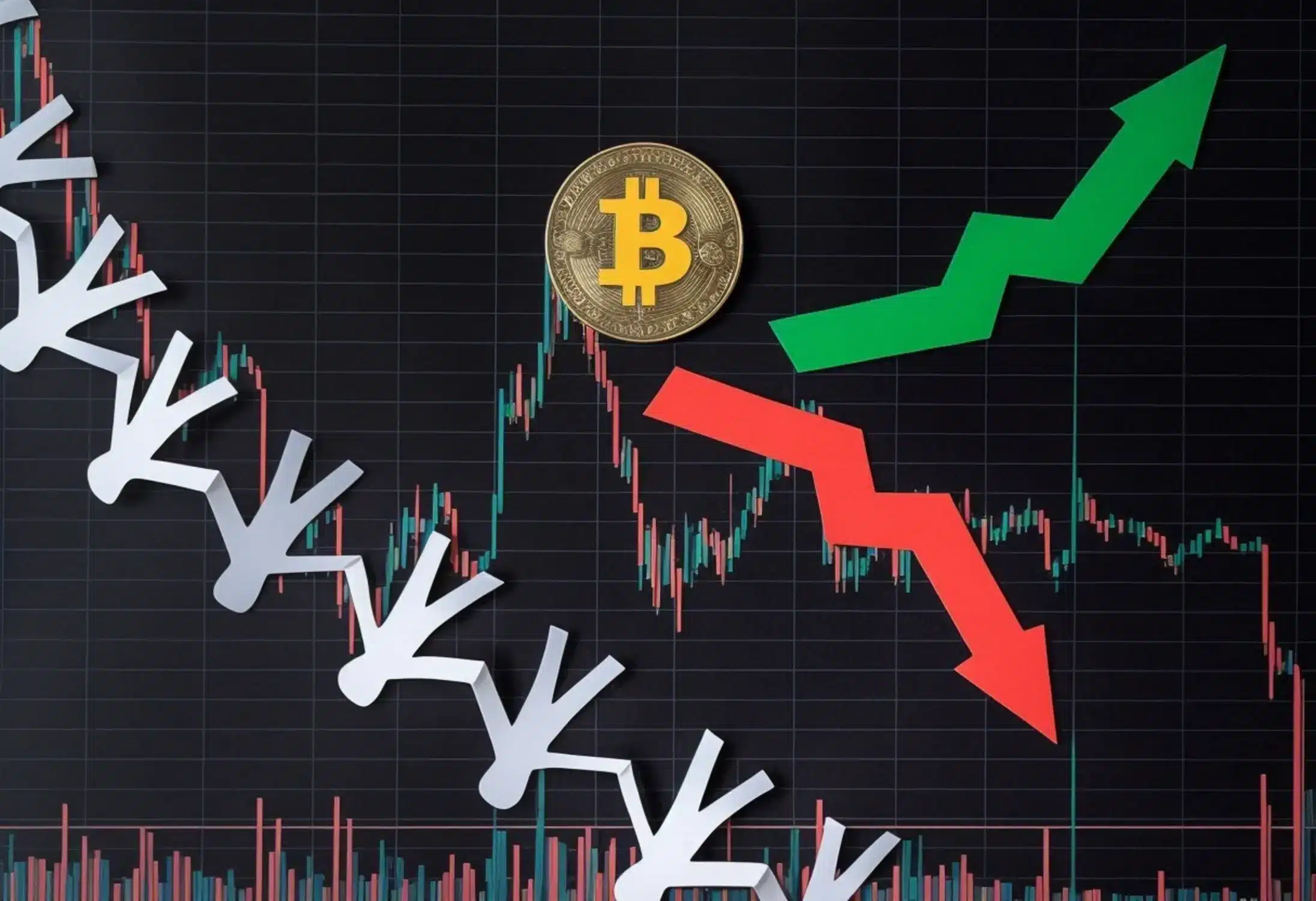
Short-term vs. Long-term Holder Behavior
Understanding the differences in behavior between short-term and long-term holders is critical. While short-term traders may react impulsively to price drops, long-term holders often adopt a more steadfast approach, believing in eventual recovery. This dichotomy shapes market trends and illustrates the importance of investor psychology in the broader crypto economy.
Effects on the Broader Crypto Ecosystem
Bitcoin’s price fluctuations don’t just ripple through its cryptocurrency siblings; they also activate various protocols and sectors within the crypto space. Altcoins like Ethereum and Solana often respond directly to Bitcoin’s volatility. Specifically, their price movements can significantly reflect Bitcoin’s situation, particularly during downturns.
Moreover, decentralized finance (DeFi) protocols also react to Bitcoin’s volatility. When Bitcoin prices fall, the total value locked (TVL) in DeFi can contract, leading to further market instability. Understanding market liquidity and its relationship with Bitcoin’s performance is crucial for stakeholders in the crypto landscape, as these can determine the effectiveness and sustainability of various platforms in turbulent climates.
Strategies for Navigating Market Volatility
Investors facing Bitcoin’s recent price drop should adopt strategies to mitigate risk effectively. This includes reinforcing the importance of diversification within the crypto economy. Allocating investments across various assets can shield portfolios from drastic declines and minimize exposure to individual asset volatility.
Practical Tips for Investors
Here are some practical tips to consider during volatile times:
– Maintain a diversified portfolio to mitigate risks.
– Establish clear entry and exit strategies based on research rather than impulsive behavior.
– Stay informed about market trends through reliable news sources, enhancing overall decision-making.
Understanding the essence of staying educated in the rapidly changing crypto world is crucial for making informed decisions.
Future Considerations for Bitcoin and Crypto Investors
As Bitcoin continues to experience volatility, the long-term effects of this price trend remain uncertain. Speculating on potential outcomes requires a keen understanding of the factors that may influence future movements. Regulatory influences, for example, could significantly shape Bitcoin pricing, leading to shifts in market behavior.
Factors to Watch
– Regulatory changes: Bitcoin is facing increasing scrutiny from regulatory bodies. How new regulations might affect market conditions is a critical factor to watch.
– Market psychology: The psychological state of investors during downturns often predicts the speed of recovery.
– Technological advancements: Innovations in blockchain technology can influence long-term trends.
By paying attention to such factors, investors can better position themselves for potential market recovery or further decline. Adaptability and informed decision-making will be key attributes for navigating Bitcoin’s ongoing journey through the intricate landscape of the crypto economy.
About The Author





More Stories
Why XRP’s Trading Surge is About to Change Cryptocurrency Investment Forever
Why Jane Street’s Bitcoin Trading Resurgence Is a Market Game Changer
The Hidden Truth About Bitcoin’s Price Resilience Amid Global Turmoil