




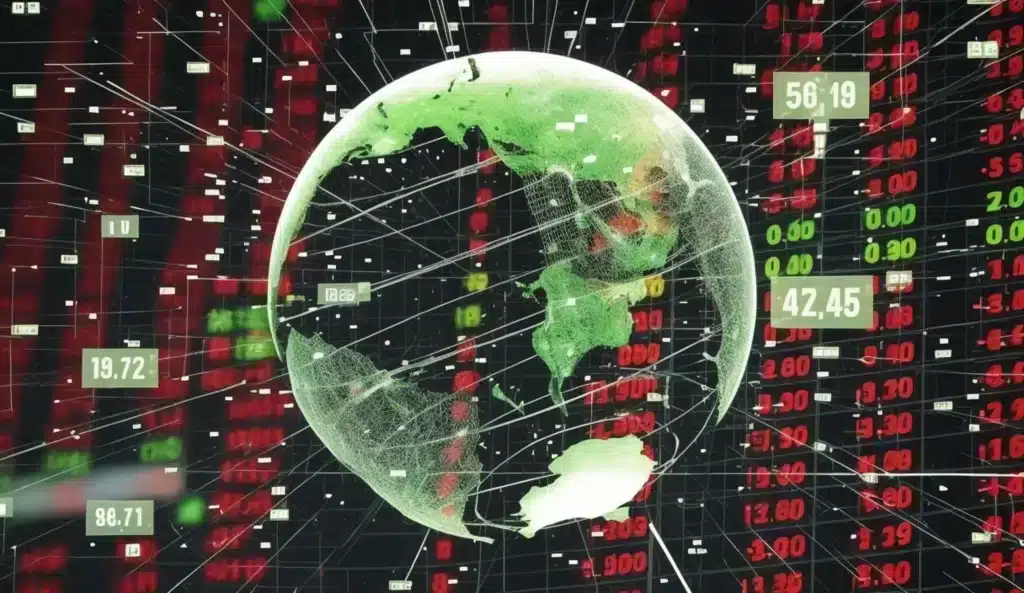
In today’s interconnected world, the influence of geopolitical tensions on crypto markets presents both challenges and opportunities. Understanding this connection is vital for investors and stakeholders to navigate the volatility shaping the future of cryptocurrencies.
The Urgency of Geopolitical Tensions and Crypto
Geopolitical events have an immediate impact on cryptocurrency prices, causing sharp fluctuations that investors must navigate with caution. The heightened sensitivity of markets to these tensions is evident as recent situations have forced investors to become more reactive than ever. For example, Bitcoin experienced a drastic recovery, climbing to $66,843 following significant geopolitical events like the death of Iranian Supreme Leader Ali Khamenei in a US-Israel strike. This incident triggered a surge in market capitalization, reversing previous losses attributed largely to geopolitical influences rather than underlying on-chain fundamentals, according to recent analysis.
Additionally, the increased volatility showcases the crypto market’s unique ability to react swiftly to geopolitical happenings. Investors often assess the risk and sentiment in reaction to international developments, thereby leading to pronounced market responses. Thus, understanding these dynamics becomes essential for stakeholders involved in the cryptocurrency ecosystem.
Crypto Market Reactions: A Deep Dive
The crypto landscape has shown remarkable resilience and volatility in the face of geopolitical challenges. For instance, both Bitcoin and Solana exhibited swift recoveries, diving deeper into how such market reactions reflect investor sentiment and liquidity levels. The aftermath of geopolitical upheaval often sees a rapid bounce back, as evidenced by Bitcoin’s climb of 5.2% and Solana’s surge of 10.8%, resulting in a combined market capitalization recovery of approximately $60 billion within a mere 24 hours, as observed in market reports.
Factors driving these recoveries stem from a combination of market liquidity and the underlying sentiments of investors looking for safer havens during crises. As more investors perceive digital assets, particularly Bitcoin, as a store of value amid geopolitical strife, we increasingly see shifts in trading patterns that mirror traditional asset responses to international instability. Consequently, analyzing how these factors influence future market behavior is crucial for investors.
Institutional Investment Amidst Uncertainty
Institutional interest in Bitcoin and other digital assets has been on the rise, even amidst fluctuating market conditions caused by geopolitical tensions. At the recent iConnections conference, attended by over 75 digital asset funds, a notable 25% of allocators expressed interest in adopting digital asset strategies. This statistic indicates that cryptocurrencies are establishing themselves as a mainstream fixture within alternative investments, as reported.
Institutions are increasingly viewing crypto not just as speculative investments but as significant elements in diversified portfolios. Despite regulatory uncertainties and market volatility, institutional investors recognize Bitcoin’s potential to achieve legitimacy in the current economic climate. As Ron Biscardi highlights, “Bitcoin is seen as having achieved institutional legitimacy,” implying a shift in the narrative surrounding cryptocurrencies.
Iran’s Crypto Economy: A Case Study
Geopolitical tensions within Iran have profound implications for its local crypto economy, showcasing how external factors reverberate across global markets. The Iranian government’s involvement in regulating cryptocurrency transactions is a reflection of their coping mechanisms in navigating sanctions and economic crises. As geopolitical relations shift, particularly with Western nations, Iran’s strategies to utilize cryptocurrency have become increasingly sophisticated.
These developments not only affect Iran’s internal economic landscape but also create ripples across global crypto markets. A sustained focus on the implications of Iran’s geopolitical strategies can guide international investors and regulators in understanding potential risks and opportunities that emerge from such scenarios. Thus, Iran’s local crypto economy serves as a case study of particular interest as the world grapples with larger discussions surrounding digital asset regulations.

The Role of Bitcoin Investments During Turbulence
During geopolitical unrest, Bitcoin often emerges as a safer asset class, much like gold in traditional markets. Historical data shows that Bitcoin tends to hold value or even grow in turbulent times, emphasizing its role as a hedge against instability. This perception is crucial, especially for investors weighing options when market conditions become fraught with uncertainty.
In examining Bitcoin’s historical performance amid crises, the asset exhibits a tendency to rally when geopolitical tensions rise. The increasing recognition of Bitcoin as a reliable store of value is fostering a renewed interest in Bitcoin investments, leading many to reconsider traditional financial paradigms in favor of adopting more digital assets. As a potential cornerstone for future investment portfolios, Bitcoin’s resilience underscores the intriguing evolution of investor attitudes during turmoil.
Preparing for Future Crypto Market Volatility
To mitigate risks associated with geopolitical tensions, investors can take a proactive stance by diversifying their portfolios and staying informed about global events. Understanding the interconnectedness of geopolitical risks and market responses is paramount. Here are actionable steps investors could consider:
– Diversify Investments: Spread risk across different asset classes, including traditional stocks and various cryptocurrencies.
– Stay Informed: Regularly follow global news and expert analysis to gauge potential impacts on markets.
– Adapt Strategies: Be ready to adjust investment strategies in response to changing market conditions and geopolitical landscapes.
By implementing these strategies, investors can navigate the unpredictable crypto landscape more effectively. As geopolitical tensions continue to shape market behavior, staying agile will allow investors to seize potential opportunities while mitigating risks in a volatile environment.
About The Author



More Stories
Why Geopolitical Events Are Catastrophically Affecting Bitcoin Prices
The Hidden Truth About Bitcoin’s Recent Surge Amid Trump’s Address
Why Bitcoin’s Recent Collapse Could Change the Future of Crypto Investment