





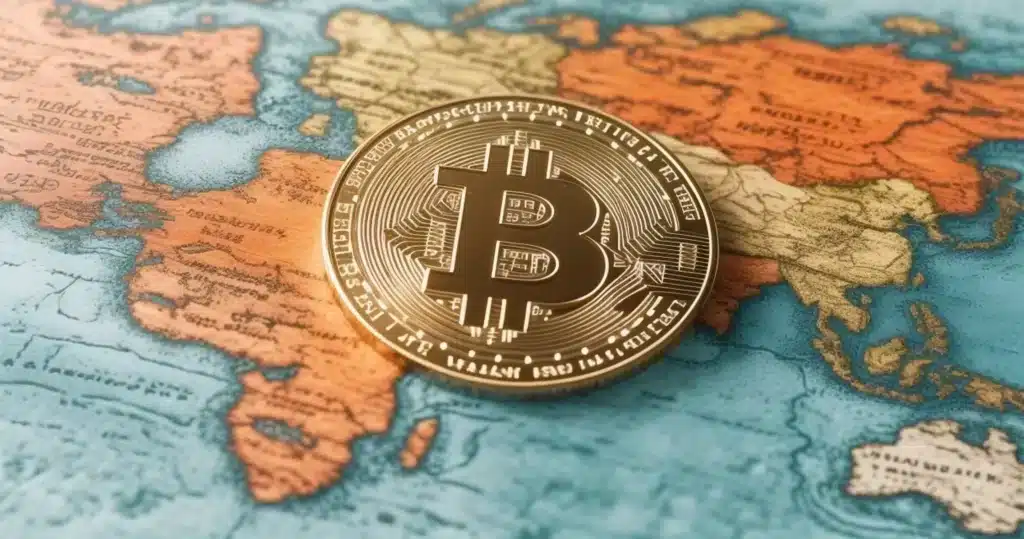
Geopolitical tensions are at a peak, significantly influencing Bitcoin’s dynamics and the broader crypto market. Understanding these developments is crucial for investors looking to navigate investment strategies in an uncertain global landscape. As conflicts arise, the interplay between traditional economic systems and decentralized currencies like Bitcoin creates a unique set of challenges and opportunities.
The Impact of Geopolitical Tensions on Bitcoin
Rising geopolitical tensions often correlate with increased volatility in Bitcoin’s value. Events such as military conflicts, trade disputes, and sanctions can abruptly shift investor sentiment, leading to fluctuations in the crypto market. For instance, the Iran conflict has notably impacted Bitcoin’s appeal, as investors seek safe havens amidst uncertainty, affecting trading behaviors and price dynamics.
Historically, significant geopolitical events have caused marked movements in Bitcoin prices. Following the U.S.-Iran tensions in 2020, Bitcoin saw a surge as investors perceived it as a hedge against traditional financial systems facing disruption. This pattern suggests that geopolitical dynamics could increasingly determine Bitcoin’s trajectory in the future, compelling investors to stay vigilant about international developments, particularly in volatile regions like the Middle East, according to industry experts.
Market Response: Bitcoin Amid International Conflict
In analyzing Bitcoin’s response to international conflicts, recent events reveal a clear pattern. During episodes of heightened geopolitical conflict, Bitcoin often experiences steep price movements. For instance, after the recent airstrikes involving the U.S. and Iran, Bitcoin withdrawals surged as users in affected regions sought to protect their assets, signaling the role Bitcoin plays as a financial alternative during crises.
Following these significant geopolitical conflicts, notable fluctuations in Bitcoin values have been recorded. In one striking case, a 700% increase in withdrawals from the Iranian exchange Nobitex exemplifies how swiftly market dynamics can shift in response to conflict. As tensions escalate, Bitcoin’s performance often diverges from traditional markets, where assets like gold and equities might respond differently, further highlighting its unique position within the global financial ecosystem, per recent reports.
Iranian Crypto Landscape: A Case Study
The Iranian crypto market provides a compelling case study on the impacts of geopolitical tensions. Following the escalation of conflict, Iranian users flocked to exchanges, leading to a dramatic increase in asset withdrawals. This exodus of funds from platforms like Nobitex—reportedly increasing by 700%—demonstrates an urgent need for financial security in sanctioned regions.
These trends show that Bitcoin can serve as a crucial financial alternative in areas facing international sanctions and disruption. Such scenarios illustrate the broader implications of Bitcoin as a means of preserving value amidst economic instability. The operational challenges faced by exchanges during this period, emphasized by disruptions at Nobitex, reveal vulnerabilities within the local crypto market, as noted by industry analysts.
Investment Strategies During Uncertain Times
Navigating Bitcoin investments during periods of geopolitical tension necessitates careful strategy. Investors must recognize the importance of diversifying their portfolios and incorporating various assets to hedge against potential downturns. With the crypto market still relatively young and volatile, building a resilient investment strategy is essential.
Key investment strategies during these uncertain times include:
– Diversifying investments: Allocating resources across different cryptocurrencies and traditional assets can cushion against sudden market shifts.
– Monitoring global tensions: Staying informed about geopolitical developments can help investors anticipate market reactions and adjust strategies accordingly.
– Adopting a long-term perspective: While short-term volatility is common, maintaining a long-term view can offer opportunities for growth despite immediate market fears.
The US Economy’s Role in Bitcoin Movements
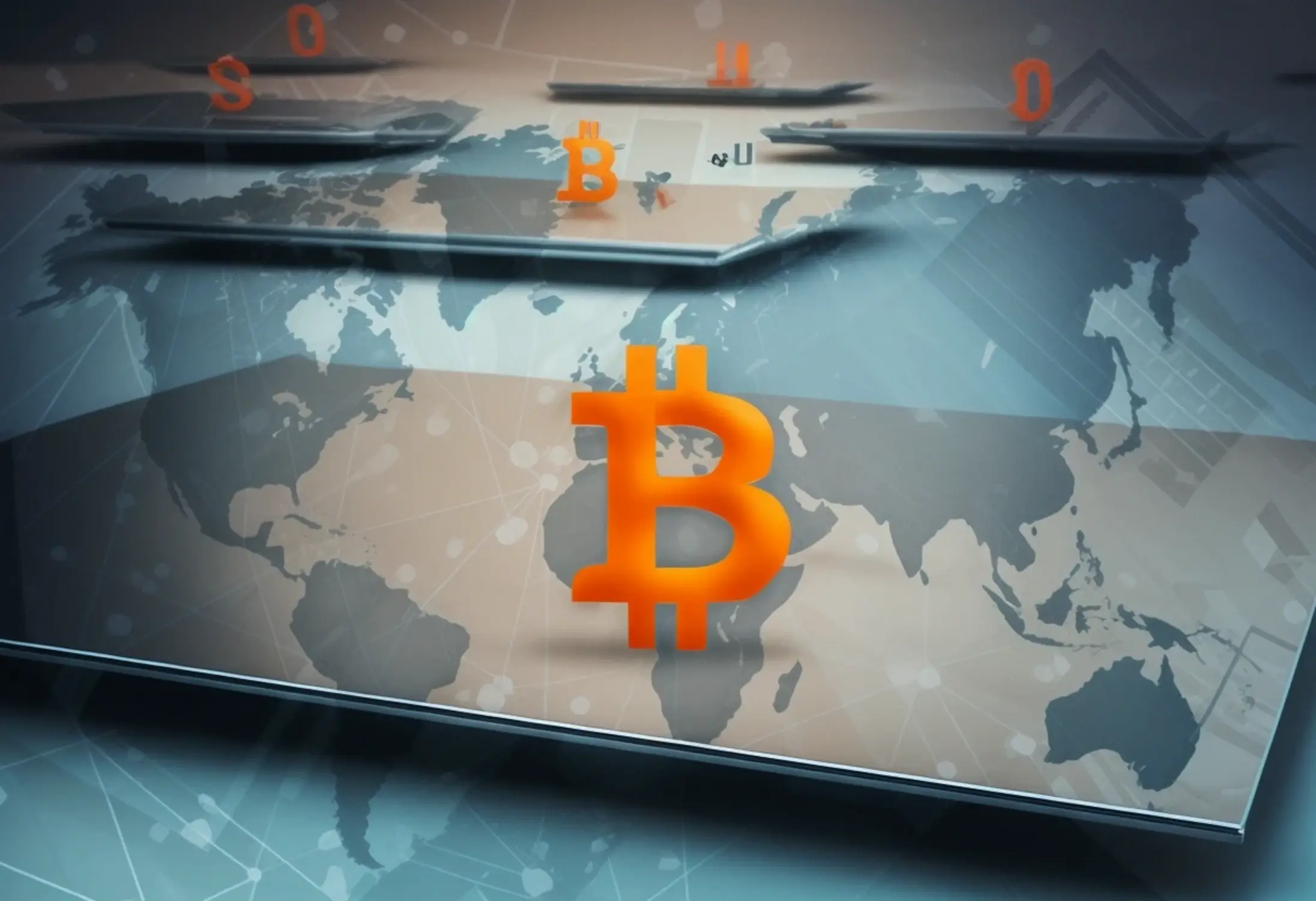
The U.S. economy plays a pivotal role in shaping Bitcoin’s market movements, particularly during geopolitical crises. Significant policy changes, such as increased regulations or economic sanctions, can substantially influence Bitcoin’s performance. For instance, when the U.S. government executed strategic Bitcoin transfers in response to the escalating Iran conflict, Bitcoin’s value was affected, demonstrating the interconnectedness of traditional finance and the crypto ecosystem.
Moreover, past U.S. economic decisions, like adjusting interest rates or implementing trade tariffs, have showcased how macroeconomic factors directly impact Bitcoin’s trajectory. Investors should closely monitor U.S. economic indicators as they navigate the complexities of Bitcoin amidst international conflict.
Future Trends in Bitcoin Through Geopolitical Lenses
As geopolitical tensions continue to shape global economics, potential future scenarios for Bitcoin warrant examination. Analysts suggest that Bitcoin could become increasingly integral as a hedge against instability, particularly in regions facing severe sanctions or conflict. The ongoing evolution of blockchain technology may further enhance Bitcoin’s appeal, providing a transparent and secure asset class.
Emerging trends indicate a growing acceptance of Bitcoin among institutional investors, further cementing its position in the financial landscape. Forecasting Bitcoin’s growth requires attention to global events and understanding how shifts in power dynamics influence the crypto market.
Sustaining Trust in Crypto During Global Crises
Maintaining consumer trust in cryptocurrencies is paramount during global crises. Amid turmoil, strategies for crypto exchanges to uphold security and instill confidence are vital. Implementing robust security measures, promoting transparency, and fostering open communication with users help build resilience in the crypto market during challenging times.
Moreover, educating investors about the potential risks and rewards associated with cryptocurrency investments enhances overall confidence. A transparent exchange environment encourages investors to remain engaged, ensuring that trust is sustained even amidst global crises. By focusing on these aspects, the crypto market can thrive, even against the backdrop of geopolitical tension and uncertainty.
About The Author



More Stories
Why Iran’s Crypto Economy Is a Lifeline Amid Global Sanctions
Why Iran’s Crypto Landscape Is About to Change Everything for Bitcoin
Why Bitcoin Is Set to Transform Iran’s Economic Landscape Amid Conflict