







As we navigate economic uncertainties, Bitcoin’s recent decline is more than just a market event; it suggests broader implications for the global economy. Understanding this trend helps us anticipate potential risks and prepares us for the economic turbulence ahead.
Bitcoin as an Indicator of Economic Health
Bitcoin’s price movements have increasingly become a bellwether for economic stability. Historically, when Bitcoin trends downward, it often signals a downturn in traditional markets. For example, analysts have drawn correlations between Bitcoin’s past performances and significant market events, illustrating how even small fluctuations can foreshadow larger economic instability. According to a recent commentary, Bitcoin’s health tends to mirror that of the broader economy.
Experts assert that Bitcoin’s volatility reflects investor sentiment toward risk. When confidence wanes, investors often retreat from cryptocurrencies, reinforcing the idea that Bitcoin acts as an economic barometer. Additionally, the rise of Bitcoin as a mainstream trading instrument has made its trends more influential, often preceding downturns in traditional sectors. With its price often viewed as a precursor to market movements, understanding Bitcoin’s fluctuations is crucial for gauging economic health.
Impacts of Economic Disparities on the Crypto Market
Rising economic divides have a profound influence on Bitcoin’s performance. As inflation escalates and economic conditions worsen for many, Bitcoin can become a refuge for wealth preservation—or a target for criticism, depending on market sentiment. Data shows a direct correlation between economic struggles and Bitcoin sentiment; for instance, as inflation affects ordinary Americans, many view Bitcoin’s rising value as disconnected from their economic realities. This disparity can dampen investor enthusiasm, as documented in various analyses of consumer behavior in cryptocurrency markets.
The distinct divide between affluent and struggling populations adds complexity to Bitcoin’s narrative. Investors often question whether crypto assets can withstand the pressures of an economy characterized by inequality and instability. Therefore, recognizing how these economic divides influence Bitcoin can provide insights into its future trajectory.
Current Trends in Bitcoin Valuation
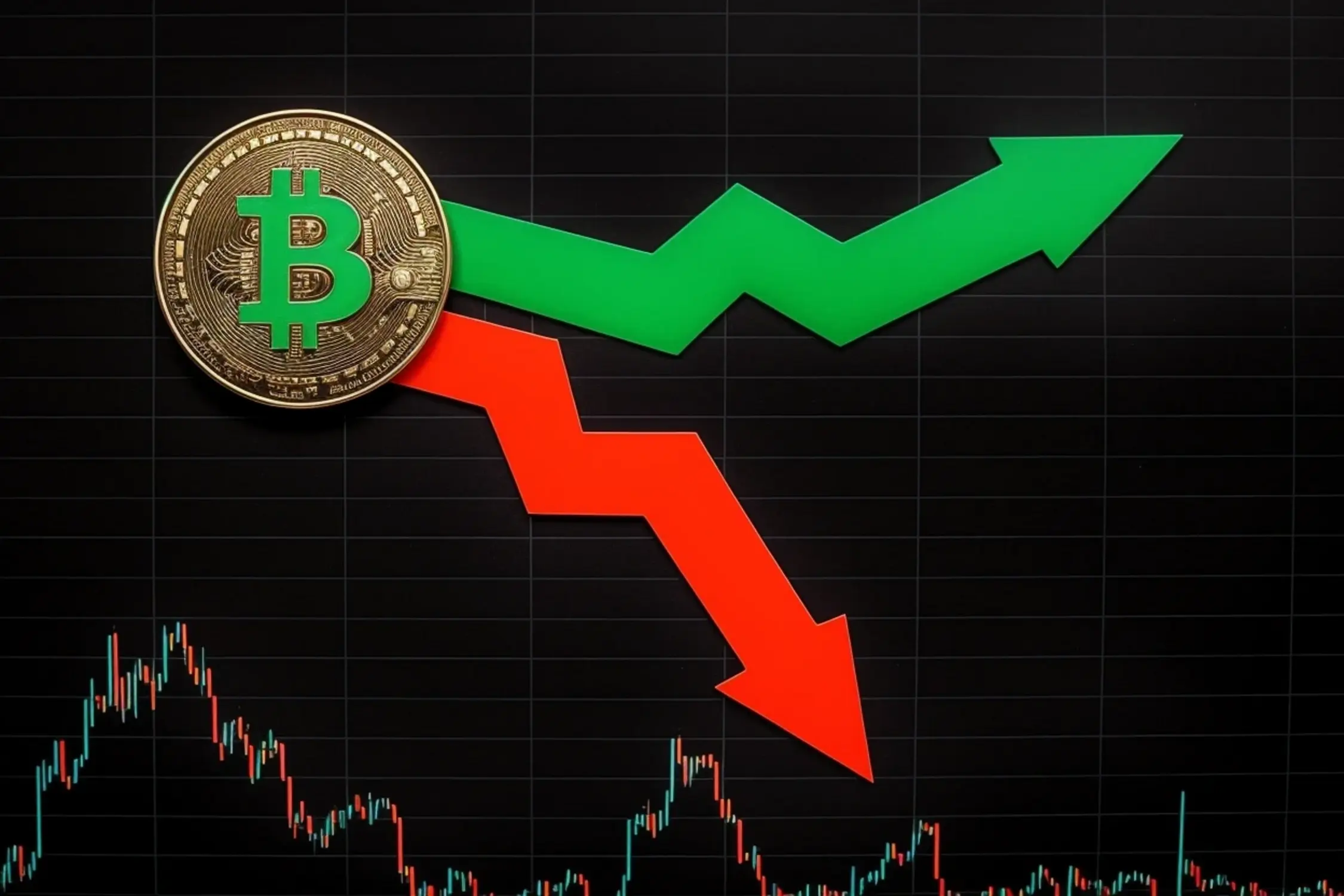
Recent statistics show Bitcoin experiencing significant market fluctuations, emphasizing its volatile nature. The cryptocurrency peaked at over $125,000 during its all-time high, highlighting its potential for rapid appreciation but also intense depreciation. Current reports indicate that Bitcoin’s value has dropped approximately 20% as market conditions shift, leading investors to reassess their positions in the crypto economy.
Factors influencing Bitcoin’s valuation vary widely, from regulatory news to global geopolitical conflicts. Investor behavior, swayed by these elements, often results in sudden price adjustments. Notably, events like interest rate announcements from the Federal Reserve can ripple through the Bitcoin market, altering the dynamics substantially. Understanding these influences is essential for prospective investors navigating this volatile landscape.
Market Signals Indicating Potential Turbulence
Other market signals often align closely with Bitcoin’s performance, suggesting potential economic turbulence. For instance, sectors such as technology and finance are particularly sensitive to changes in Bitcoin’s valuation. When Bitcoin declines, it may indicate larger systemic issues affecting these industries, prompting caution among investors.
Economists also provide insights on anticipatory actions in response to Bitcoin’s decline. For example, if Bitcoin’s decrease correlates with falls in tech stocks, investors might reconsider their strategies across other sectors. By recognizing these signals, investors can make informed decisions and mitigate potential losses. Overall, Bitcoin’s trajectory serves as a crucial marker in understanding broader market conditions.
The Federal Reserve’s Influence on Bitcoin
Federal Reserve policies directly impact Bitcoin and the broader market landscape. Specifically, interest rate changes can alter investors’ risk profiles. As rates rise, traditional investments may draw more interest, leading some to step back from riskier assets like Bitcoin. The relationship between interest rates and cryptocurrencies is complex; higher rates often lead to diminished appetite for Bitcoin, which investors regard as a volatile risk.
Financial analysts note that the current climate suggests increased scrutiny of monetary policy and its implications for Bitcoin’s future. With many viewing Bitcoin through a lens of economic uncertainty, the impending responses from the Federal Reserve could have far-reaching effects on its market stance. Thus, it is crucial for investors to stay informed about how these policies might shape the cryptocurrency landscape in the coming months.
Strategies for Navigating Bitcoin’s Road Ahead
Given Bitcoin’s current market position, investors should consider actionable strategies to navigate potential volatility. Diversification is a fundamental approach, ensuring that exposure to Bitcoin is balanced with traditional investments to mitigate risks. Additionally, risk management strategies—such as setting stop-loss orders and maintaining liquidity—can empower investors during turbulent times.
Community resources, including market analysis forums and cryptocurrency news websites, are excellent for staying updated on developments. Investors must remain vigilant, as fluctuating market conditions can change swiftly. By developing a strategy that incorporates these insights and tools, investors will be better prepared for whatever the future may hold regarding Bitcoin and the wider economic landscape.
About The Author





More Stories
Why Bitcoin’s Price Fluctuations Are About to Change Everything in Today’s Economy
Why Job Growth Is About to Change Everything in Cryptocurrency
Why XRP’s Trading Surge is About to Change Cryptocurrency Investment Forever