






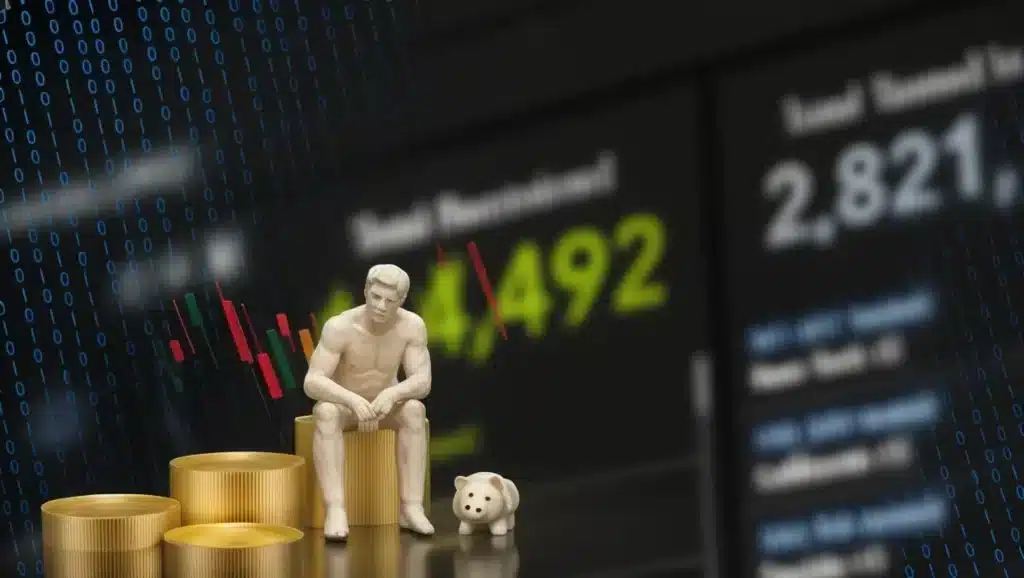
Understanding the dynamics of stagflation is crucial in today’s economic climate, especially for investors in the crypto market. As inflation rises and economic stagnation becomes more prevalent, cryptocurrencies are uniquely positioned in this volatile environment. This article explores the hidden impacts of stagflation on digital currencies and outlines strategies for investors navigating these uncertain times.
Understanding Stagflation and Its Economic Relevance
Stagflation refers to an economic condition characterized by stagnation in growth coupled with rising inflation rates. This term gained prominence during the 1970s, a period defined by both high unemployment and soaring prices, which contrasted sharply with the notion that inflation could only occur with economic growth. In today’s economy, the interplay between inflation and stagnation remains relevant as many nations grapple with slower economic recovery post-pandemic, leading to a climate ripe for stagflation. As reported, the consequences of stagflation may reshape financial markets, warranting a closer examination of how it influences investment strategies in cryptocurrencies and traditional assets alike, according to experts.
Current Challenges in the Crypto Market
The crypto market is not insulated from economic turbulence. Rising inflation significantly impacts digital asset valuations, as it diminishes purchasing power and alters investor sentiment. Cryptocurrencies tend to experience increased volatility during stagflation, driven by uncertain economic conditions and fluctuating consumer confidence. For instance, during times of economic instability, many investors tend to retreat to traditional assets like stocks and bonds, which can lead to sharp declines in digital asset prices.
Cryptocurrencies have drawn comparisons to gold, traditionally viewed as a hedge against inflation. However, unlike gold, crypto assets are still relatively nascent and often face greater price swings, which can pose risks for investors seeking stability in a stagnating economy. The crypto market’s current challenges underscore the importance of adopting a cautious approach as investors adjust their strategies according to economic signals.
The Economic Impacts of Inflation on Digital Assets
Inflation affects the demand for cryptocurrencies in various ways. As traditional currencies lose value, digital assets may become more appealing for both protection against inflation and as alternative investment vehicles. Recent findings suggest that increasing inflation rates can catalyze a shift in consumer behavior, whereby individuals more actively seek out cryptocurrencies as a means of preserving wealth. This shift invites questions regarding the viability of cryptocurrencies in real-world applications, as more people consider them for daily transactions and long-term investments.
Furthermore, the adoption of cryptocurrencies for remittances and international transactions is on the rise, particularly in economically constrained environments. This growing acceptance of digital currencies reflects a broader shift towards utilizing cryptocurrency technology in ways that cater to consumer needs, creating renewed interest and demand.
Analyzing the Influence of Stagflation on Cryptocurrency Trends
Historically, cryptocurrencies have performed variably during economic slumps punctuated by stagflation. They emerged during a time when individuals were seeking alternatives to traditional banking during financial crises. Today, we see similar patterns, where increasing economic anxieties drive the allure of digital currencies as inflation hedges. Current trends show price movements directly influenced by macroeconomic factors, highlighting the importance of staying informed about economic conditions impacting the crypto market.
As economic factors evolve, so does investor behavior. Certain cryptocurrencies are being viewed as potential hedges against inflation, akin to traditional safe havens. Yet, the lack of historical data leaves much to speculation on how cryptocurrencies will act in prolonged periods of stagflation.

Strategies for Crypto Investors in a Stagnating Economy
To navigate investment decisions during economic stagnation, investors should consider adopting several strategies. Here are some practical tips:
– Diversification: Spread investments across various cryptocurrencies and traditional assets to mitigate risks associated with market volatility.
– Long-term vs. Short-term: Assess whether to hold onto assets for long-term growth or capitalize on short-term price movements, depending on market indicators.
– Stay Informed: Regularly follow financial news focusing on inflation indicators and economic policies that might affect the crypto market.
By employing informed strategies in a challenging economic environment, investors can enhance their potential for success while managing inherent risks.
Future Outlook for Cryptocurrencies Amidst Economic Uncertainty
As economists forecast an uncertain future, the crypto landscape will likely continue to evolve in response to economic pressures from stagflation. Potential policy changes regarding cryptocurrency regulations and taxation could emerge as governments seek to stabilize their economies. Moreover, ongoing technological advancements within the blockchain space may redefine how digital currencies are utilized, making them more robust as economic climates fluctuate.
Monitoring developments in both technology and policy will be critical for anticipating changes in market dynamics and the overall integration of cryptocurrencies into mainstream finance.
Actionable Steps for Engaging with the Crypto Market
Investors looking to engage with the crypto market need reliable resources and strategies. Here are some actionable steps:
– Stay Informed: Follow reputable financial news outlets and crypto analysis platforms to remain updated on market trends and economic outlooks.
– Analytical Tools: Utilize market tracking tools and analytics software to monitor price movements and assess potential investment opportunities.
– Community Engagement: Participate in online forums and social media groups focused on cryptocurrencies to share knowledge and gain insights from fellow investors.
By integrating these steps into their investing practices, individuals can better position themselves in the ever-changing crypto market, particularly amidst the backdrop of stagflation.
About The Author




More Stories
Why Kiyosaki’s Predictions Could Trigger a Stock Market Crash Soon
5 Predictions About the Impact of Stagflation on Bitcoin Investments That’ll Shock You
How Investors Are Using Bitcoin to Diversify in Changing Markets