






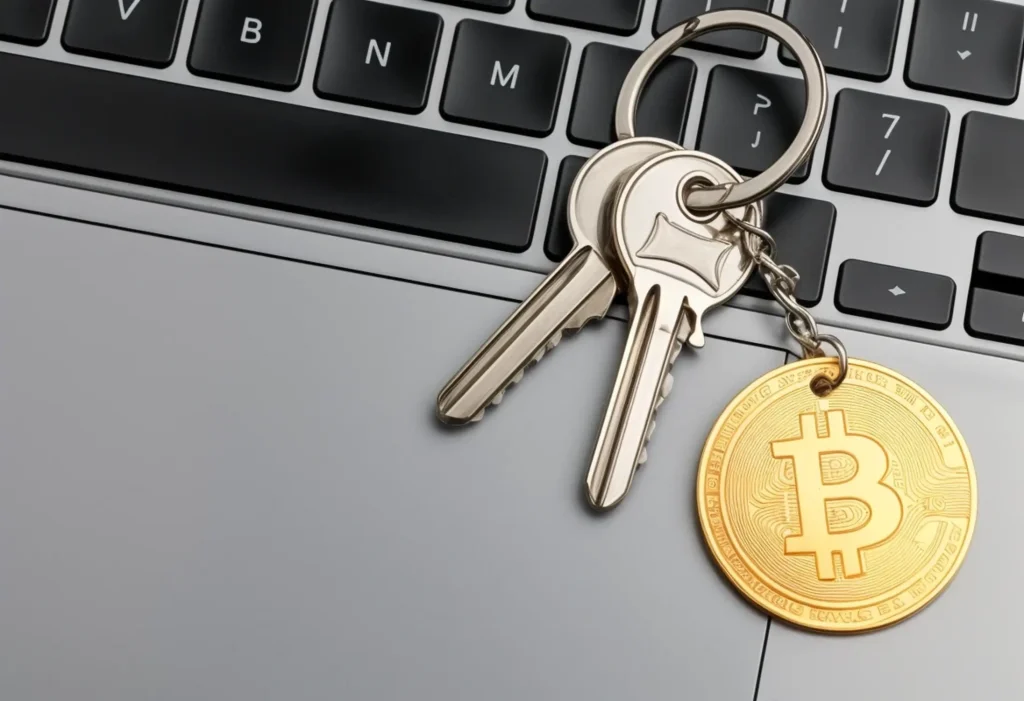
Crypto mortgages are poised to transform real estate financing, presenting new opportunities for buyers and investors. As digital assets like Bitcoin and Ethereum gain traction, their integration into the mortgage industry offers innovative alternatives to traditional financing methods.
Bridging Digital Assets and Real Estate
The connection between cryptocurrency and the real estate market is deepening, as homeowners and investors alike recognize the potential of digital assets in financing. Cryptocurrencies serve as modern collateral, opening doors for buyers who may lack traditional financing options. With many consumers already familiar with digital assets, using Bitcoin or Ethereum to purchase a home is becoming a more attractive and practical option. Recent advancements highlight how platforms are now accepting crypto as a form of down payment, providing a seamless experience for users looking to combine real estate with their digital asset portfolios.
The benefits of using crypto for home purchases extend beyond mere convenience. For instance, using digital assets can often lead to quicker transactions because crypto transfers don’t rely on lengthy bank processes. Furthermore, it provides an appealing alternative to those looking to diversify their portfolios while investing in physical assets. As noted in a recent study, 70% of millennials express interest in crypto mortgages, indicating a generational shift in confidence towards digital currencies.
The Rise of Crypto Mortgages in Today’s Market
The landscape for crypto mortgages is evolving, with adoption on the rise. According to industry experts, the interest in crypto-facilitated financing has surged recently, with many companies beginning to offer this innovative solution. Major players, such as platforms like BitPay or BlockFi, are actively facilitating these types of loans, thus enhancing the accessibility of crypto mortgages.
The shifting attitudes of consumers towards crypto financing also play a vital role in this trend. Many see it as an opportunity to bypass traditional banks, with their strict lending rules and hefty fees. Additionally, the allure of crypto’s potential value appreciation further entices new buyers. A recent survey revealed that approximately 60% of individuals aged 25-40 are more likely to consider a crypto mortgage due to the increased flexibility it offers in financing.
Challenges Facing Crypto Mortgages Today
Despite the benefits, several challenges continue to impact the adoption of crypto mortgages. Regulatory hurdles are a significant concern, as governments worldwide grapple with how to effectively regulate digital currencies within traditional financial frameworks. This uncertainty can deter both lenders and potential homeowners from entering the market.
Market volatility remains another pressing issue affecting mortgage stability. Because cryptocurrencies can fluctuate dramatically, the value used for collateral can change rapidly, making risk assessments more complex. Lenders are often cautious, given these variances, potentially slowing the growth of this market segment.
Lastly, security concerns regarding digital transactions must be addressed. The fear of cyberattacks or loss of access to wallets due to forgotten passwords can hinder adoption. Thus, establishing robust security protocols is vital to reassuring consumers and financial institutions.

Advantages of Using Cryptocurrency for Home Financing
The advantages of utilizing cryptocurrency for home financing are manifold. One key benefit is the flexibility and ease of transactions. Crypto mortgages can significantly reduce the time it takes to complete a transaction, bypassing many time-consuming layers involved in traditional mortgage processes.
Cost savings can also be a compelling reason for buyers to consider crypto. By avoiding the high-interest rates typically associated with conventional mortgages and leveraging digital assets, individuals can save substantially over time.
Moreover, cryptocurrency addresses a critical gap in access to financing for underbanked individuals. With many traditional banks overlooking potential borrowers, crypto offers a means for these individuals to secure loans more readily. This enhancement to accessibility is particularly crucial in today’s economy, where diverse funding sources are essential for homeownership.
Understanding the Role of Collateral in Crypto Mortgages
Collateral plays a pivotal role in the framework of crypto mortgages. In this context, collateral often involves digital currencies like Bitcoin or Ethereum. When securing a loan, the value of these assets is used to ensure the lender against default. For instance, using Bitcoin as collateral mitigates the lender’s risk while providing the borrower with easier access to funds, often at competitive rates.
Examples of collateralized loans using digital currencies demonstrate this concept effectively. Programs like those offered by platforms such as BlockFi allow borrowers to leverage their crypto holdings for mortgages while still retaining ownership of their digital assets. This dual advantage is appealing, as it enables borrowers to utilize existing assets without liquidating them, which could result in a taxable event.
The impact of collateral on loan determinations and risk assessments is profound. Lenders often evaluate the volatility of the collateral assets when determining loan terms, ensuring they can manage risk effectively and tailor their offerings appropriately.
Future Implications of Crypto Mortgages in Real Estate Financing
The future of crypto mortgages holds promising implications for the real estate financing landscape. Many analysts predict a continued evolution of blockchain technologies and cryptocurrencies that will further integrate with traditional financing methods. The merging of these spheres could lead to hybrid models that leverage the strengths of both digital and conventional financing.
Potential long-term benefits for the housing market include enhanced transparency during transactions, as blockchain can offer an immutable record of ownership and asset verification. Additionally, cryptocurrency’s decentralized nature serves as a hedge against traditional market instabilities, offering a more resilient financing alternative.
As the market matures, it’s likely that more lenders will embrace digital assets, expanding options for borrowers and making homeownership more attainable. As such, this trend could reshape the landscape of real estate financing for generations to come.
Steps to Consider When Exploring Crypto Mortgages
For individuals considering securing a crypto mortgage, several key factors require evaluation. First, understanding the specific features of the digital asset intended for collateral is crucial, including its liquidity and volatility. Buyers should compute their risk tolerance before proceeding.
Moreover, selecting the right digital asset for collateral matters significantly. Factors such as the asset’s market stability, historical performance, and acceptance by potential lenders should all guide the decision.
Finally, navigating the crypto mortgage landscape requires diligence. Armed with resources such as educational platforms or financial advisors knowledgeable in crypto, borrowers can confidently assess their options. Gathering thorough information and understanding the nuances of both digital and traditional financing will empower consumers to make informed choices in this burgeoning field.
About The Author





More Stories
Why Eliminating Capital Gains Tax Could Revolutionize Bitcoin Adoption
How Investors Are Using Yuan Stablecoins to Navigate Global Markets
Why Australia’s New Crypto Policy Could Propel Ethereum’s Growth