







The future of NFTs is uncertain, yet vital for investors, creators, and enthusiasts alike. Understanding the current state of the NFT market trends could help navigate this evolving digital landscape and identify viable opportunities and risks ahead.
Unveiling the Current State of NFTs
The NFT market has recently seen significant fluctuations, resulting in a sharp plunge in values. Reports indicate that a staggering 95% of NFT collections are now valued at zero ether, casting a shadow on previous expectations and investments in this space. Notable collections like the Bored Ape Yacht Club and CryptoPunks have been significantly affected, with Bored Apes experiencing a 97% decline from their peak values and CryptoPunks down 89% from their heights. These statistics are alarming for collectors and creators alike, as they signify a profound shift in market sentiment and integrity in the NFT ecosystem. Industry experts are grappling with the idea that while the technology behind NFTs has transformative potential, many investments have fallen prey to overhyping without sustainable use cases, as pointed out by Olivier Jutel.
This rapid depreciation raises questions about the sustainability of well-known projects. While some collectors hold on in hopes of revival, the stark reality is that most projects lack lasting value and clear utility. Investors seeking to understand the future of NFTs must consider not only current valuation metrics but also the broader context of market expectations and consumer interest.
The Impact of Blockchain Technology on NFT Growth
Blockchain technology serves as the backbone of NFTs, ensuring their authenticity and uniqueness. However, the challenges surrounding blockchain technology are becoming increasingly apparent. Many NFT projects face hurdles such as scalability and environmental concerns, which can deter broader adoption in the crypto economy. As the NFT sector matures, the focus is shifting toward how blockchain can adapt and provide further value in future applications.
Innovative use cases of blockchain could include secure identity verification for digital assets or transparent royalty distribution mechanisms for creators. These applications would enhance the utility of NFTs, potentially revitalizing interest in the technology. As the blockchain ecosystem evolves, it will be crucial to monitor developments that could support NFT growth, particularly as skepticism toward existing uses persists.
Analyzing NFT Market Trends
Recent trading statistics reveal alarming changes in the NFT space. The total trading volume and number of active users have dropped dramatically, suggesting a loss of interest from the once-enthusiastic investor crowd. Factors contributing to the decline include speculation-driven purchasing and the rise of competing digital assets that capture consumer attention.
Predictions suggest a potential shift in market dynamics. Should NFT projects begin to showcase genuine utility, provide immersive experiences, or leverage augmented reality features, interest could spark anew. Moreover, as the crypto economy stabilizes, NFTs could play a more integrated role within digital finance ecosystems. Monitoring these trends will be essential for anyone considering an entry into this complex market.
Exploring the Crypto Economy’s Role
Cryptocurrency plays a pivotal role in the valuation of NFTs, as these digital assets often rely on major cryptocurrencies such as Ethereum for transactions. Recent volatility in the crypto markets—even following unsettling inflation indicators—has an immediate cascading effect on the NFT landscape. Specifically, Bitcoin has faced significant price fluctuations, which analysts say can directly correlate with shifts in NFT valuations. Concerns have been raised that if the broader crypto economy does not regain stability, we could see continued struggles within the NFT sector.
As recent reports indicate, the overall health of the crypto market influences NFT valuations significantly. Investors must remain vigilant about these developments rather than only focusing on individual NFT projects. This interconnectedness suggests that a holistic approach to investment in the digital asset landscape is necessary.
Rethinking Digital Assets in the NFT Space
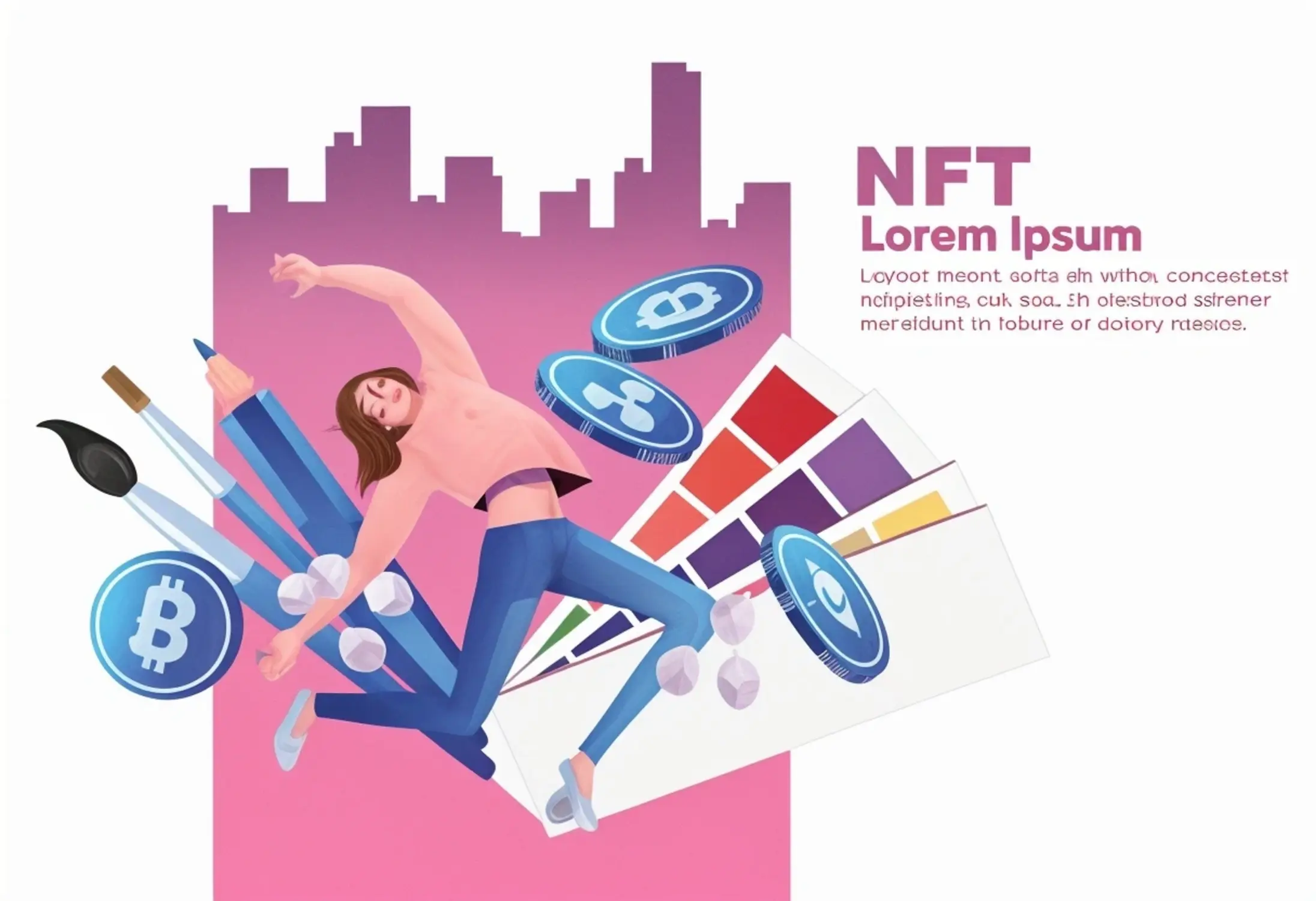
The rapidly evolving definition of digital assets in today’s market is reshaping how NFTs are perceived. Once viewed merely as collectible art or status symbols, NFTs are now being reevaluated based on their utility and the communities they foster. This shift is influencing demand; for instance, projects that incorporate elements of gaming, virtual reality, or significant community engagement are beginning to see increased interest.
As the market continues to evolve, innovative digital assets such as utility tokens or exclusive membership NFTs are gaining traction. These variations could define the next wave of demand, as consumers look for tangible benefits beyond mere ownership. Understanding this changing landscape is vital for creators hoping to tap into the future of NFTs.
Actionable Steps for Investors and Creators
Navigating the current NFT landscape requires strategic insight and understanding. Potential investors should adopt a few key strategies:
– Research thoroughly: Examine each NFT project’s fundamentals, including team credentials and community engagement, before investing.
– Examine utility: Focus on NFTs with clear use cases, particularly in emerging sectors like metaverse applications or real-world integrations.
– Leverage blockchain technology: Explore new initiatives focused on sustainability and consumer safety within the blockchain space.
Following these steps could enhance the likelihood of successful investments, while driving creators to contribute valuable and sustainable projects to the NFT ecosystem. As the NFT market faces its challenges, opportunities will still exist for those prepared to adapt and innovate in the landscape.
About The Author


More Stories
How Crypto Whales Are Using The Sandbox to Shape GameFi Investments
Why Stablecoins Are About to Disrupt the Banking System Forever
Why AI Agents Will Change Everything in Crypto Wallets