






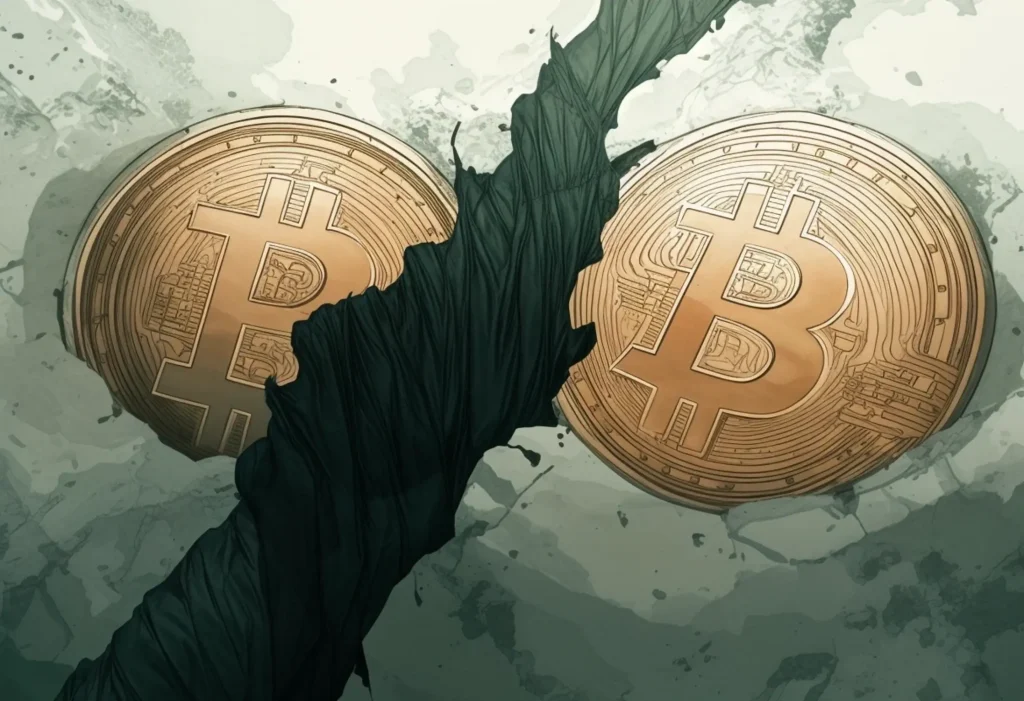
As geopolitical tensions escalate, Iran finds itself at a critical juncture that could redefine its economic landscape. Bitcoin, often viewed as a beacon of hope during crises, has the potential to revolutionize the Iranian economy. By fostering financial resilience and offering alternatives in times of conflict, Bitcoin’s role becomes increasingly significant for various stakeholders, including investors and policymakers.
Bitcoin Iran Economic Impact in the Current Conflict
The ongoing US-Iran conflict significantly alters the perception of Bitcoin within Iran. Amid sanctions and economic pressure, many Iranians view Bitcoin as a means to bypass traditional banking constraints. This sentiment is evident as locals turn to cryptocurrencies to safeguard their wealth from currency fluctuations and inflation, with a notable shift towards Bitcoin trading platforms. According to a recent report, Bitcoin’s market performance reflects not only its resilience but also the population’s shifting investment strategies during these turbulent times. With local perceptions increasingly favoring Bitcoin, investments are likely to grow, driven by the need for economic security in an unstable environment.
Economic Resilience through Cryptocurrencies
Cryptocurrencies like Bitcoin can serve as a crucial buffer against economic downturns. Their borderless nature allows users to access their funds regardless of national constraints. This accessibility can provide Iranians with much-needed financial stability, especially as the rial faces troubling devaluation. A significant aspect of cryptocurrencies is their ability to maintain value when traditional assets fall—this was seen globally during times of crisis. For instance, during the last economic downturn, traders embraced Bitcoin, leading to an escalation in its adoption. As industry experts note, regions facing economic hardship have often seen a surge in cryptocurrency usage as individuals seek alternative financial systems. This trend encourages more extensive discussions about integrating digital currencies in daily transactions, potentially reshaping the economic foundations in crisis-hit markets.
Current Market Climate and Bitcoin’s Role
The current market dynamics in Iran highlight Bitcoin’s growing acceptance. Adoption rates have accelerated as local exchanges adapt to the volatile economic climate and provide more accessible platforms for trading. Many Iranians are actively seeking solutions for their economic challenges, and Bitcoin emerges as a popular choice due to its decentralized nature. Notably, the rise of crypto exchanges catering specifically to Iranian users demonstrates a growing recognition of Bitcoin’s unique value proposition. Observing trends, Bitcoin’s market interest among the populace continues to rise, indicating a need for adaptability in the face of adversity. This evolution is bolstered by a broader interest in cryptocurrencies, which could serve to stabilize localized markets amidst global uncertainties.
Geopolitical Factors Shaping Bitcoin’s Trajectory
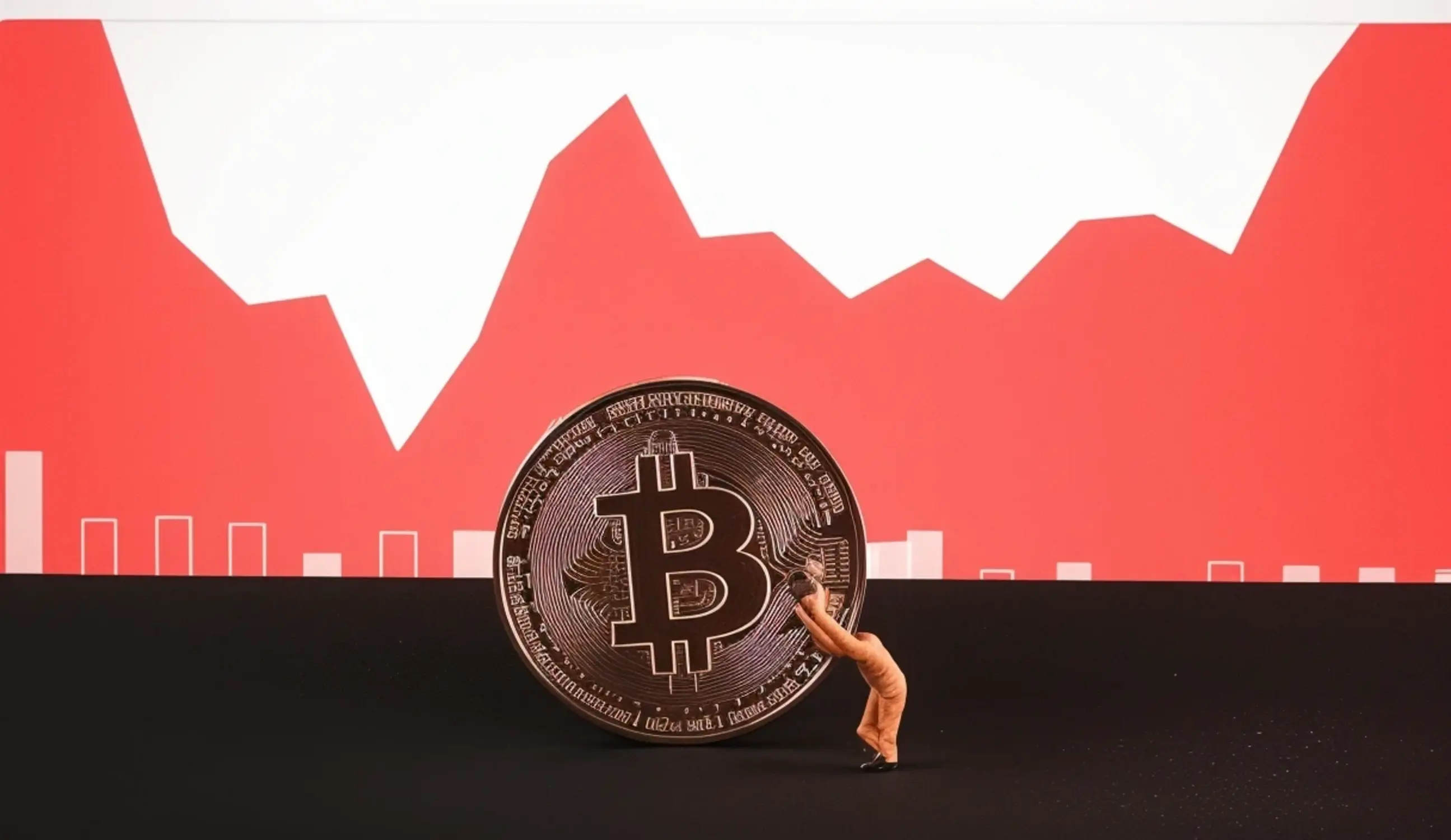
Geopolitical events play a significant role in shaping Bitcoin’s trajectory, influencing both pricing and acceptance in various regions. Historical data suggests that Bitcoin often behaves counter-intuitively during conflicts, sometimes rising sharply despite surrounding turmoil. The ongoing US-Iran conflict is pivotal, as the intertwined fates of oil prices and Bitcoin create a complex landscape. Insights from BlackRock indicate that Bitcoin may rebound rapidly in response to geopolitical shocks, a trend seen in its historical performance where Bitcoin rose about 26% following prior geopolitical events while traditional assets like gold performed less strongly in comparison. Such trends suggest that Bitcoin could become an increasingly relevant asset in the Iranian economic landscape, particularly as tensions persist and global markets fluctuate.
Addressing the Challenges of Bitcoin Adoption in Iran
Despite its potential, Bitcoin adoption in Iran faces regulatory hurdles and societal misconceptions. For example, the government’s stance on cryptocurrencies has often been cautious, complicating the legal landscape for aspiring crypto investors. Moreover, societal perceptions of Bitcoin as a ‘capitalist tool’ can deter potential users, presenting challenges for wider acceptance. To overcome these barriers, education and awareness are crucial. Initiating open dialogues with regulators and providing insights about the benefits of cryptocurrencies could pave the way for a more favorable environment for digital assets. Engaging local communities in discussions about Bitcoin’s role could mitigate fears and foster a more diverse range of users within the Iranian crypto landscape.
Future Outlook for Bitcoin in Iran’s Economy
Looking ahead, Bitcoin’s potential integration into the Iranian economy appears promising but complex. Various external factors, such as international relations and economic sanctions, could significantly influence local Bitcoin developments. Collaborative opportunities with global crypto markets provide pathways for growth and innovation while ensuring that local participants can benefit from a more integrated financial ecosystem. As more Iranians acknowledge Bitcoin’s value, the prospects for its integration into everyday transactions grow stronger. Ultimately, Bitcoin could usher in a new era of economic resilience, reinforcing its position as a critical player not only in Iran but also in the broader discourse on cryptocurrencies during geopolitical crises.
About The Author




More Stories
Why Eliminating Capital Gains Tax Could Revolutionize Bitcoin Adoption
How Investors Are Using Yuan Stablecoins to Navigate Global Markets
Why Crypto Mortgages Are Set to Revolutionize Real Estate Financing